
ESP360° · CRC 2026 presentation site · Philadelphia · October 9–11, 2026Email · WhatsApp

Breakthrough T1D Clinical & Research Congress · 2026

Clinical data records what happened. ESP360° preserves why the decision happened.

A structured decision-provenance architecture built to represent the human reasoning, uncertainty, context and timing that conventional clinical telemetry leaves out.

Presented by Mark E. Paull at CRC 2026 in Philadelphia: one short oral presentation and two e-posters, all accepted through competitive abstract review. This site is the public, conference-safe presentation layer. Reconstructive engineering detail remains private.

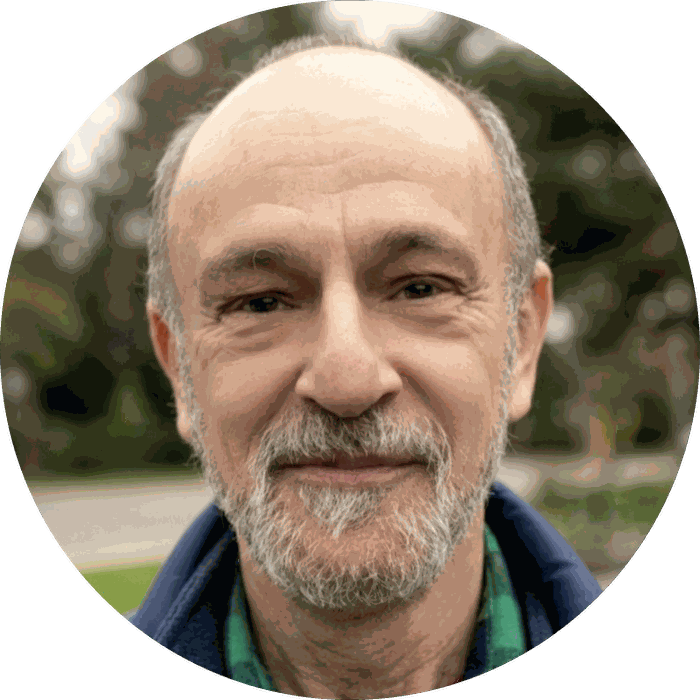
Mark E. PaullMark E. PaullIndependent Researcher · Decision Systems Architect · 60th year with type 1 diabetes
536annotated records
468decision events
340structured columns
21annotation layers

One subject, 68 consecutive days — 12 October to 18 December 2025, no gaps. Proof of concept, not validation.

Verified post-submission dataset figures are 340 structured variables across 68 consecutive days. Conference-submission details that remain under CRC embargo are withheld until October 9, 2026.

AUDIO MESSAGE

Send me an audio message.

Have a question, reaction or idea? Record up to 3 minutes. Nothing leaves your device until you tick the box and tap Send recording — and it then goes straight to Mark's own storage, never through a third-party service.

0:00 / 3:00

Your recording stays on your device until you tap Send recording or Share another way.

CRC 2026 MATERIALS
CRC MATERIALS & RELEASE STATUS →

CRC 2026 · THREE ACCEPTED PRESENTATIONS

EXPLORE THE THREE CRC 2026 PRESENTATIONS

1 ORAL · 2 E-POSTERS · ACCEPTED THROUGH COMPETITIVE ABSTRACT REVIEW

BREAKTHROUGH T1D CLINICAL & RESEARCH CONGRESS · PHILADELPHIA · OCTOBER 9–11, 2026

THREE ACCEPTED CRC 2026 PRESENTATIONS

Three accepted presentations. Conference files will be released when CRC 2026 opens on October 9; the peer-reviewed #47 paper is already public.

ORAL · #47

The Calendar Is Not Biology.

Temporal Topology in Continuous Glucose Monitoring

Published result — Diabetes Technology & Therapeutics
An 89-day CGM series of 25,536 readings: circular temporal topology preserved 12.1% more information than midnight segmentation (3.56 vs 3.18 bits, p < 0.001).
This is the peer-reviewed temporal-topology study, a separate dataset from the ESP360° annotated workbook of 68 consecutive days shown above. PubMed

Available October 9 Available October 9 Audio October 9
E-POSTER · #33

Accepted E-Poster #33

Conference abstract details available October 9, 2026

Accepted e-poster.
Abstract content remains under CRC publication embargo until October 9, 2026.

Available October 9 Available October 9 Audio October 9
E-POSTER · #51

Accepted E-Poster #51

Conference abstract details available October 9, 2026

Accepted e-poster.
Abstract content remains under CRC publication embargo until October 9, 2026.

Available October 9 Available October 9 Audio October 9
ESP360° app artwork

ESP360° CONFERENCE SITE

Add the ESP360° conference site to your phone.

Direct access to CRC 2026 presentation information, public research material and release status. Embargoed conference files unlock October 9.

Tap the button to install ESP360° on this device.

BREAKTHROUGH T1D · PHILADELPHIA · OCTOBER 9–11, 2026 CRC 2026 RESOURCES Open the conference materials ↓
Available October 9
ORAL · #47Temporal Topology in Continuous Glucose Monitoring
E-POSTER · #33Conference abstract details available October 9, 2026
E-POSTER · #51Conference abstract details available October 9, 2026
Open the full CRC 2026 Resources page →
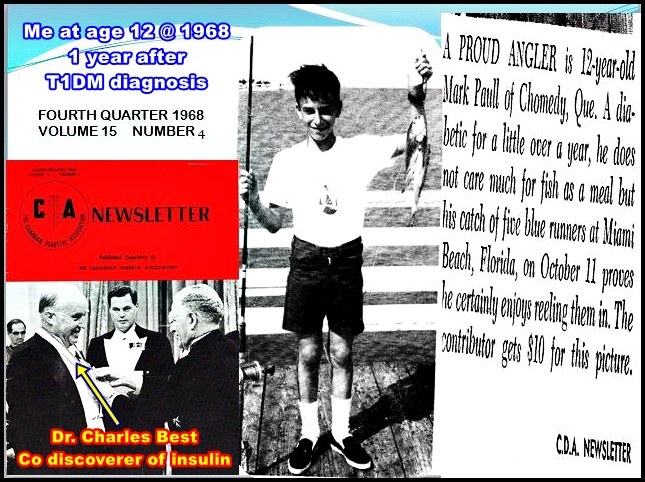
1968 Canadian Diabetes Association newsletter feature showing Mark Paull at age 12

The longitudinal record begins before digital diabetes

1968: one year after diagnosis.

A Canadian Diabetes Association newsletter clipping documents the beginning of the lived record behind the later ESP360° architecture. The research argument is not that longevity proves the model; it explains the unusually long observational substrate from which the decision-layer problem emerged.

See the research lineage →

The core distinction

Inference is not provenance.

A model may infer why a person acted. ESP360° is designed to preserve what the person actually knew, expected, feared, weighed and decided before the outcome was known.